
Skin inflammation is one of the most common issues affecting people worldwide, ranging from mild redness to chronic conditions like eczema, psoriasis, and acne. While traditional treatments such as corticosteroids and medicated creams remain popular, many individuals are now exploring natural alternatives. One such option gaining attention is CBD oil. Known for its calming and anti-inflammatory properties, CBD is being increasingly used in topical skincare products. But how effective is it really for managing skin inflammation? Let’s explore the science behind it.
Understanding Skin Inflammation
Skin inflammation is the body’s immune response to injury, infection, or irritation. It manifests in symptoms like redness, swelling, heat, and discomfort. Conditions such as dermatitis, rosacea, acne, and allergic reactions all fall under inflammatory skin issues.
While short-term inflammation can protect the skin, chronic inflammation often worsens skin problems and affects overall skin health. This is where CBD oil may play a potential role as a natural support.
What Is CBD Oil?
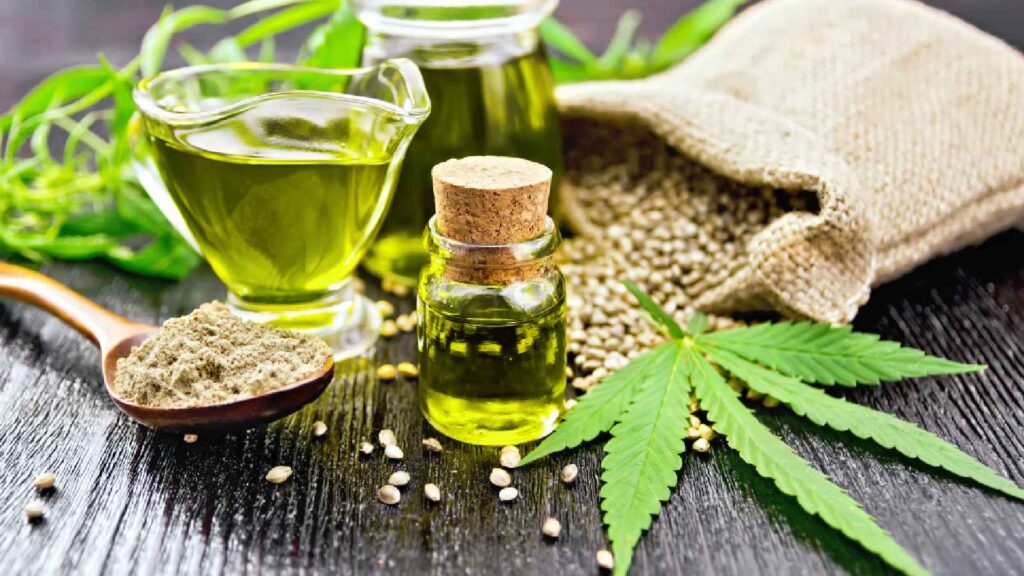
CBD (cannabidiol) is a natural compound derived from the hemp plant. Unlike THC, it does not cause a psychoactive effect, making it safe for daily use. CBD oil is extracted and infused into products such as tinctures, capsules, balms, lotions, and serums.
When applied topically, CBD interacts with the skin’s endocannabinoid system (ECS), a network of receptors that regulate processes like inflammation, immune responses, and skin cell regeneration.
The Science Behind CBD and Inflammation
Research indicates that CBD has anti-inflammatory, antioxidant, and antimicrobial properties that can benefit the skin. Here’s how it works:
CBD and the Endocannabinoid System (ECS)
The skin contains CB1 and CB2 receptors, which are part of the ECS. When CBD binds to these receptors, it can help regulate immune responses, reducing overactive inflammation.
CBD as an Anti-Inflammatory Agent
Studies suggest that CBD reduces the production of inflammatory cytokines—proteins responsible for triggering redness, swelling, and irritation. By calming this response, CBD may help soothe inflamed skin.
CBD and Sebum Regulation
Excess sebum production often leads to acne. Research shows CBD may help balance sebum levels while reducing inflammation in the sebaceous glands. This dual action makes it particularly promising for acne-prone skin.
Benefits of Using CBD Oil for Skin Inflammation
Using CBD oil topically may offer several advantages for people struggling with inflamed or sensitive skin:
1. Relief from Redness and Irritation
CBD-infused balms and creams can provide soothing relief, making them ideal for flare-ups caused by eczema, psoriasis, or allergic reactions.
2. Acne Management
By reducing both sebum production and inflammation, CBD oil may help minimize breakouts and prevent further irritation without harsh drying agents.
3. Hydration and Skin Barrier Support
Many CBD formulations include carrier oils like hemp seed oil or jojoba oil, which nourish the skin and strengthen its natural barrier. This helps lock in moisture while reducing irritation.
4. Antioxidant Protection
CBD’s antioxidant properties combat free radicals that contribute to skin aging and oxidative stress. This dual effect not only reduces inflammation but also promotes healthier-looking skin.
Topical Applications of CBD Oil
CBD oil can be applied directly to the skin or through specially formulated products. Here are common ways it’s used:
CBD Creams and Lotions
These are ideal for larger areas of inflammation, such as eczema patches or rosacea-prone skin.
CBD Balms and Salves
Thicker in consistency, balms are great for targeted relief on small, inflamed areas.
CBD Serums
Lightweight and often combined with other active ingredients, serums penetrate deeply to target acne and irritation.
DIY CBD Oil Application
Some people mix CBD oil with their regular moisturizer or carrier oil (like coconut or olive oil) for personalized skincare. However, professional formulations ensure better consistency and effectiveness.
Things to Consider Before Using CBD Oil for Skin
While CBD shows promising benefits, a few considerations should be kept in mind:
Patch Testing
Always test a small area of skin first to check for allergic reactions or sensitivity.
Product Quality
Choose high-quality CBD products that are third-party tested and free from harmful additives. Look for labels mentioning “full-spectrum” or “broad-spectrum” CBD for maximum effect.
Consultation with a Dermatologist
If you have chronic or severe skin conditions, consult a dermatologist before integrating CBD into your skincare routine.
Future of CBD in Skincare
As research expands, CBD is increasingly being incorporated into mainstream skincare. Brands are developing CBD-infused cleansers, toners, sunscreens, and masks, targeting not just inflammation but also overall skin wellness. With rising consumer demand for natural remedies, CBD oil is set to play a significant role in the future of dermatology.
Read Also : Understanding Full-Spectrum vs. Broad-Spectrum CBD Oil: Which Is Right for You?
Conclusion
CBD oil offers an exciting natural alternative for managing skin inflammation. Backed by growing scientific evidence, its anti-inflammatory, antioxidant, and hydrating properties make it a promising addition to skincare routines. Whether you are dealing with acne, eczema, or sensitive skin, topical CBD could help restore balance and promote a calmer, healthier complexion.
As with any skincare solution, results vary from person to person, but the science behind CBD oil suggests it may be a valuable ally in the journey toward better skin health.