
Introduction
Cancer, a life-altering diagnosis, often brings with it a myriad of challenges, with pain being one of the most pervasive and debilitating symptoms. Traditional pain management options, while effective, can come with significant side effects, leading many to seek alternative solutions. Among these, Cannabidiol (CBD) has emerged as a promising option.
We will explore the benefits of CBD for pain management in cancer patients, supported by scientific research and patient testimonials.
Understanding CBD and Its Mechanisms
CBD can modulate pain signals and reduce inflammation.
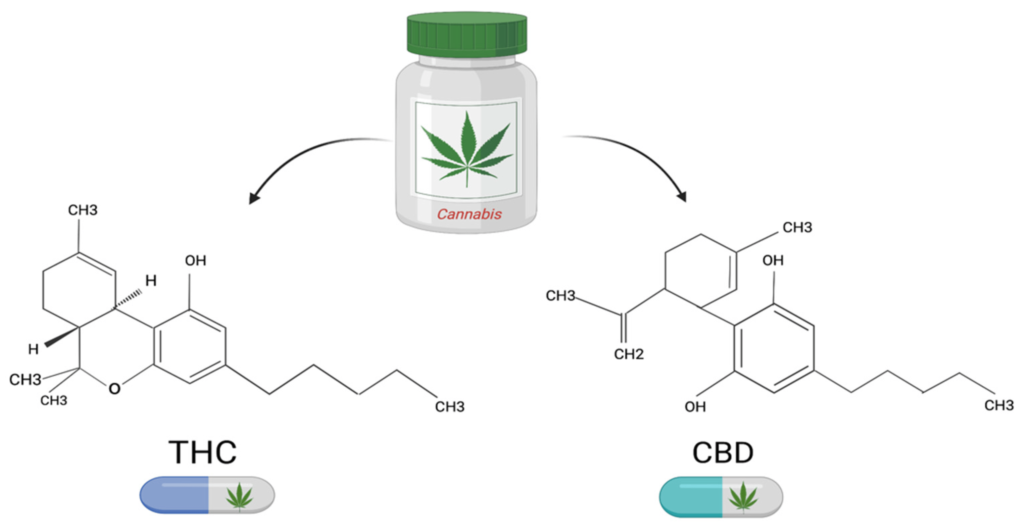
1. What is CBD?
Cannabidiol, commonly known as CBD, is one of over 100 cannabinoids found in the cannabis plant. Unlike its more famous cousin, tetrahydrocannabinol (THC), CBD is non-psychoactive, meaning it does not produce a “high.” This makes it an attractive option for those seeking pain relief without the mind-altering effects of cannabis.
2. How Does CBD Work?
CBD interacts with the body’s endocannabinoid system (ECS), a complex cell-signaling system involved in regulating various functions, including pain, mood, and immune response. The ECS comprises receptors, endocannabinoids, and enzymes. CBD primarily influences two types of receptors: CB1 receptors, mostly found in the central nervous system, and CB2 receptors, prevalent in the peripheral nervous system and immune cells. By interacting with these receptors, CBD can modulate pain signals and reduce inflammation.
The Role of CBD in Pain Management for Cancer Patients
Complementary treatment in cancer care.
1. Scientific Evidence Supporting CBD for Pain Relief
Numerous studies have investigated the potential of CBD in managing cancer-related pain. A 2019 review published in the journal “Frontiers in Pharmacology” highlighted several preclinical and clinical studies demonstrating CBD’s analgesic (pain-relieving) properties. The review concluded that CBD could be a beneficial adjunct therapy for cancer patients experiencing pain.
2. Patient Testimonials and Real-World Evidence
Beyond the scientific studies, many cancer patients have reported significant pain relief using CBD. For instance, a survey conducted by the Mayo Clinic found that a majority of cancer patients using CBD experienced improvements in pain, sleep, and mood. These real-world experiences underscore CBD’s potential as a complementary treatment in cancer care.
Benefits of CBD for Cancer Pain Management
Suggesting potential benefits for humans.
1. Pain Relief Without Significant Side Effects
One of the most compelling reasons cancer patients turn to CBD is its relatively mild side effect profile compared to traditional pain medications like opioids. Opioids, while effective, can lead to dependency, tolerance, and severe side effects such as constipation, nausea, and respiratory depression. In contrast, CBD is generally well-tolerated, with side effects like fatigue, dry mouth, and changes in appetite being relatively rare and mild.
2. Anti-Inflammatory Properties
Inflammation is a common cause of pain in cancer patients, whether from the cancer itself or as a side effect of treatments like chemotherapy and radiation. CBD’s anti-inflammatory properties can help reduce inflammation and, consequently, pain. A study published in the “European Journal of Pain” demonstrated that topical CBD application could reduce inflammation and pain in animal models, suggesting potential benefits for humans.
3. Improving Quality of Life
Cancer and its treatments can severely impact a patient’s quality of life, leading to issues like insomnia, anxiety, and depression. CBD has shown promise in addressing these symptoms as well. For instance, a study in “The Permanente Journal” reported that CBD improved sleep and reduced anxiety in a majority of patients. By alleviating these symptoms, CBD can help cancer patients maintain a better quality of life.
How to Use CBD for Cancer Pain Management
These include:
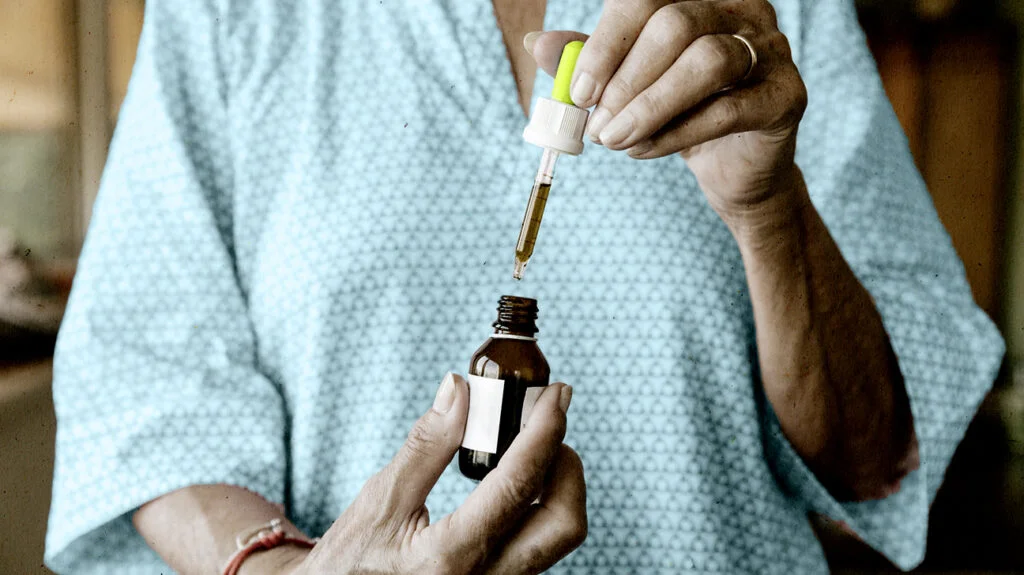
1. Forms of CBD
CBD is available in various forms, each with its advantages and disadvantages.
- CBD Oil/Tinctures: Taken sublingually (under the tongue) for quick absorption.
- CBD Capsules: Convenient and easy to dose.
- CBD Edibles: Gummies and other edibles provide a tasty and discreet way to consume CBD.
- Topical CBD: Creams and balms applied directly to the skin for localized pain relief.
- CBD Vape: Inhaled CBD for rapid effects, though it may not be suitable for all patients, especially those with lung issues.
2. Dosage and Administration
Determining the right CBD dosage can be challenging, as it varies based on factors like the patient’s weight, metabolism, and the severity of pain. It’s recommended to start with a low dose and gradually increase until the desired effect is achieved. Consulting with a healthcare professional experienced in CBD use is crucial for personalized guidance.
Safety and Legal Considerations
Be aware of the regulations in their area.
1. Potential Drug Interactions
While CBD is generally safe, it can interact with certain medications, including some chemotherapy drugs. These interactions can either increase or decrease the effectiveness of the medications or enhance side effects. Therefore, it’s essential for patients to discuss CBD use with their oncologist or healthcare provider to avoid any adverse interactions.
2. Legal Status of CBD
The legal status of CBD varies by country and region. In the United States, the 2018 Farm Bill legalized hemp-derived CBD (containing less than 0.3% THC) at the federal level. However, state laws may vary, and it’s important for patients to be aware of the regulations in their area.
Integrating CBD into Comprehensive Cancer Pain Management
Risk of addiction and its associated complications.
1. Combining CBD with Traditional Therapies
Integrating CBD with conventional cancer treatments and pain management strategies can offer a more holistic approach to patient care. While opioids and other painkillers are often necessary for severe pain, they can be supplemented with CBD to potentially reduce the required dosage and mitigate side effects. This complementary approach can enhance overall pain management, providing patients with a more balanced and less burdensome treatment plan.
2. CBD’s Role in Reducing Opioid Dependence
One of the significant benefits of incorporating CBD into cancer pain management is its potential to reduce opioid dependence. Opioids, though effective, come with a high risk of addiction and tolerance, leading to a dangerous cycle of increasing dosages. CBD, by offering pain relief and anti-inflammatory benefits, can help lower the reliance on opioids, thereby reducing the risk of addiction and its associated complications.
Addressing Other Symptoms Associated with Cancer and Its Treatment
Cancer patients often endure a range of symptoms beyond pain, including nausea, vomiting, and neuropathy (nerve pain). CBD has shown promise in addressing these symptoms as well. For instance, CBD’s antiemetic properties can help manage nausea and vomiting caused by chemotherapy, while its neuroprotective effects may alleviate neuropathic pain. By tackling these additional symptoms, CBD can offer a more comprehensive relief package for cancer patients.
Patient Case Studies and Success Stories
Many cancer patients have shared their positive experiences with CBD, providing anecdotal evidence that supports its efficacy. For example, a patient with metastatic breast cancer reported significant pain relief and improved sleep after incorporating CBD oil into her routine. Another patient with prostate cancer found that CBD reduced his reliance on prescription painkillers and helped manage his anxiety. These stories highlight the potential of CBD to make a meaningful difference in the lives of cancer patients.
Future Research and the Path Forward
While the current evidence is promising, more research is needed to fully understand CBD’s role in cancer pain management. Clinical trials with larger sample sizes and diverse patient populations are crucial to establish standardized dosages, identify potential long-term effects, and explore interactions with other medications. Ongoing research will also help elucidate the mechanisms by which CBD exerts its effects, paving the way for more targeted and effective treatments.
Personalized Medicine: Tailoring CBD Use to Individual Needs
Every cancer patient’s experience is unique, and pain management should be personalized to reflect this. Factors such as the type and stage of cancer, overall health, and individual response to CBD can influence its effectiveness. Personalized medicine, which tailors treatments to individual genetic, environmental, and lifestyle factors, can optimize the use of CBD in cancer care. By working closely with healthcare providers, patients can develop a customized CBD regimen that addresses their specific needs and maximizes benefits.
Conclusion
CBD presents a promising option for managing cancer-related pain, offering potential relief with a favorable side effect profile. While more research is needed to fully understand its benefits and optimal use, current evidence and patient experiences suggest that CBD can play a valuable role in comprehensive cancer care. As always, cancer patients should consult with their healthcare providers before starting any new treatment, including CBD, to ensure it fits into their overall care plan safely and effectively.
By exploring natural alternatives like CBD, we can offer cancer patients additional tools to manage pain and improve their quality of life, making their journey a little more bearable.