
Introduction
CBD oil has gained widespread popularity for its potential wellness benefits, but if you’re new to it, understanding how it works and what to look for can be confusing. This beginner’s guide will walk you through everything you need to know—from what CBD is to how to choose the right product for your needs.
What Is CBD Oil?
CBD, or cannabidiol, is a naturally occurring compound found in the cannabis plant. Unlike THC (tetrahydrocannabinol), CBD does not produce a psychoactive effect or make you feel “high.” It works by interacting with the body’s endocannabinoid system, which helps regulate functions like mood, sleep, appetite, and immune response.
CBD oil is created by extracting CBD from hemp plants and infusing it into a carrier oil, such as MCT oil, hemp seed oil, or olive oil. This product can be taken sublingually (under the tongue), added to food or drinks, or applied to the skin, depending on your needs.
Different Types of CBD Oil
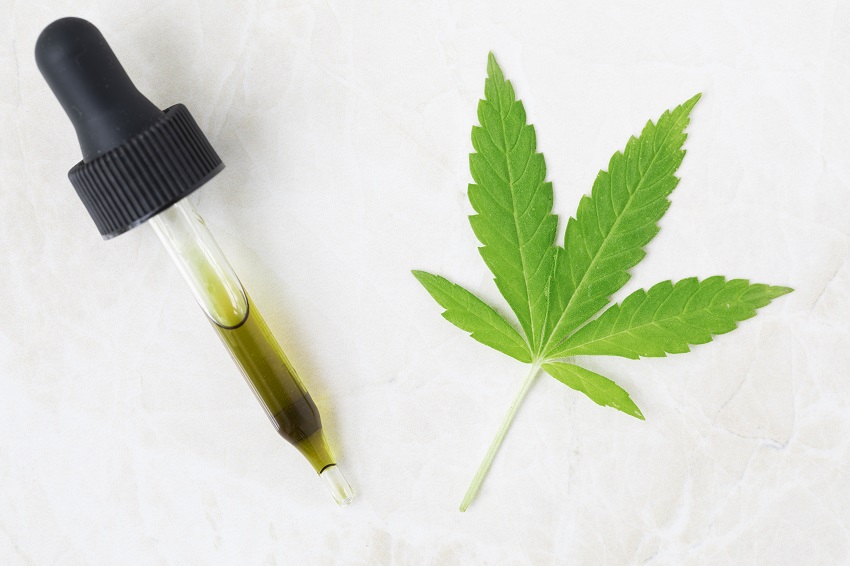
Before purchasing CBD oil, it’s important to understand the three primary types available. Each type contains different compounds and offers distinct benefits, depending on your needs and preferences.
- Full-Spectrum CBD includes all naturally occurring compounds found in the hemp plant. This means it contains CBD, minor cannabinoids (like CBG and CBC), terpenes (aromatic compounds), flavonoids, and trace amounts of THC (less than 0.3%). Many users choose full-spectrum products because of the entourage effect—a synergistic interaction between cannabinoids and terpenes that may enhance the oil’s overall effectiveness.
- Broad-Spectrum CBD also contains a wide range of cannabinoids and plant compounds but with the THC entirely removed. This type is ideal for people who want the potential benefits of multiple cannabinoids without any risk of THC exposure—such as individuals sensitive to THC or those who undergo regular drug testing.
- CBD Isolate is the purest form of CBD, containing 99% CBD with no other cannabinoids, terpenes, or THC. It’s typically flavorless and odorless, making it a good choice for those who want to avoid all other compounds or are new to CBD and want to start with a very controlled product.
Choosing between these types depends on your goals, sensitivity to THC, and whether you prefer a product with a broader chemical profile or one that’s CBD-only.
How to Take CBD Oil
CBD oil can be used in several ways:
- Sublingually: Place drops under your tongue for fast absorption (15 to 45 minutes).
- Ingestion: Add to food or drinks or take as a capsule. Effects take longer (30 minutes to 2 hours) but may last longer.
- Topically: Apply directly to the skin for localized relief (commonly used for pain or inflammation).
The best method depends on your lifestyle and what you’re using CBD for.
Why Product Quality Matters
Not all CBD oils are created equal, and choosing the right product is essential to ensure safety and effectiveness. The CBD industry is still relatively new and evolving, which means regulatory oversight can vary significantly depending on the region. As a result, some products on the market may not meet basic quality standards or contain the ingredients they claim.
To protect your health, it’s critical to purchase CBD oil from reputable and transparent brands. Look for companies that clearly label their products, disclose their sourcing methods, and provide third-party lab testing results. These independent lab reports verify what’s actually in the product, including the cannabinoid content and the absence of contaminants.
Without this level of testing, you could unknowingly consume harmful substances such as pesticides, heavy metals, residual solvents, or mold, especially if the hemp was grown in poor conditions. Some low-quality CBD oils may even contain little to no actual CBD, despite what’s printed on the label.
A trustworthy brand will make lab results easily accessible, either on their website or through a scannable QR code on the product packaging. By taking the time to review these reports and choosing vetted products, you’ll be making a more informed investment in your health and wellness.
How Long Does It Take to Work?
The time it takes to feel the effects of CBD depends on the method of use:
- Sublingual oils: 15–45 minutes
- Edibles and capsules: 30 minutes to 2 hours
- Topicals: 15–30 minutes (localized effects only)
Consistency is key. Taking CBD oil regularly at the same time each day can help maintain more stable effects.
Is CBD Oil Safe?
CBD oil is generally considered safe, with a low risk of side effects. Some people may experience:
- Dry mouth
- Drowsiness
- Changes in appetite or weight
CBD can also interact with certain medications, especially those that carry a grapefruit warning. If you have a health condition or are on prescription drugs, consult your healthcare provider before using CBD oil.
How to Incorporate CBD Oil into Your Routine
CBD oil is highly versatile, making it easy to integrate into your existing wellness habits. Whether you’re starting your day with intention or winding down at night, CBD can complement your routine in meaningful ways. Many users take it in the morning to support mental clarity and calm before facing a busy schedule. Others prefer using it in the evening to relax, unwind, and improve sleep quality.
For those who experience physical discomfort, such as inflammation, muscle tension, or joint pain, CBD oil can be used before or after physical activity. It’s particularly popular among athletes, fitness enthusiasts, and older adults looking for natural alternatives to manage aches and mobility concerns.
The key is to experiment with timing and dosage to find what works best for your unique body chemistry and lifestyle. Some people notice effects quickly, while others may need a few days or weeks of consistent use. Start with a low dose and gradually increase it, paying attention to how you feel throughout the day. By listening to your body, you can fine-tune your CBD intake to support your wellness goals—whether it’s reducing stress, improving focus, enhancing sleep, or easing physical discomfort.
Also Read: Understanding Full-Spectrum vs. Broad-Spectrum CBD Oil: Which Is Right for You?
Final Thoughts
Starting with CBD oil doesn’t have to be overwhelming. By understanding the basics—how it works, the types available, how to take it, and how to choose a quality product—you can make an informed decision that suits your wellness goals. Start low, go slow, and pay attention to how your body responds.
Whether you’re using CBD for stress, sleep, or general balance, a thoughtful approach can help you get the most from your experience.