
Introduction
Muscle soreness is an inevitable part of an active lifestyle. Whether you’re a professional athlete, weekend warrior, or fitness beginner, the post-workout aches can take a toll on your recovery and performance. As people search for natural, non-addictive ways to speed up muscle recovery, CBD oil has emerged as a popular solution. But does it really work—and is it right for your fitness routine?
In this blog, we’ll break down how CBD oil supports muscle recovery, its potential benefits, how to use it effectively, and what to look for when choosing a product.
What Is CBD Oil?
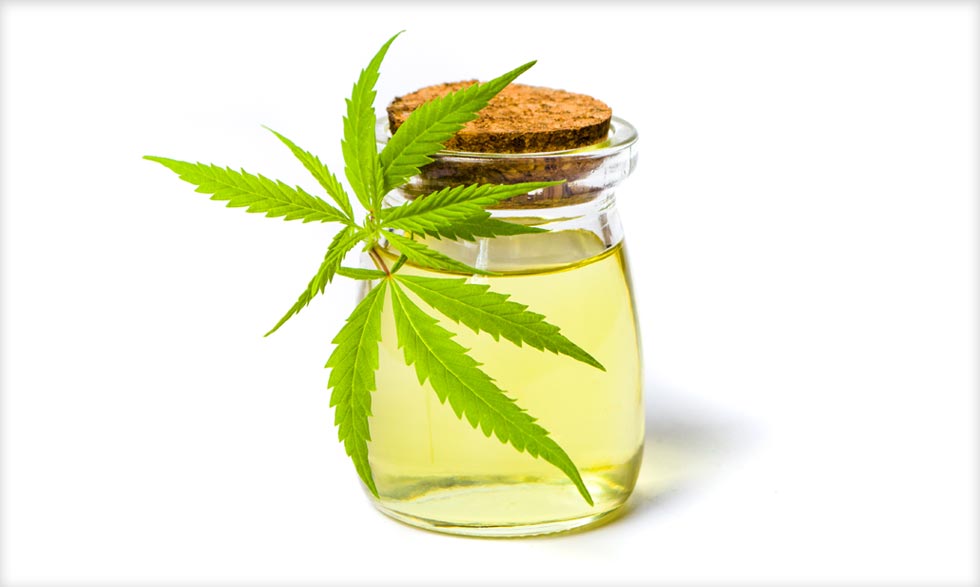
CBD, short for cannabidiol, is one of the many active compounds found in the hemp plant. Unlike THC (tetrahydrocannabinol), CBD is non-psychoactive, meaning it doesn’t cause a “high.” CBD oil is typically made by extracting CBD from hemp and diluting it with a carrier oil like MCT oil, hemp seed oil, or olive oil.
CBD interacts with the endocannabinoid system (ECS), a complex network of receptors in the body that regulates processes like pain perception, immune response, sleep, and inflammation—all of which play a role in muscle recovery.
Why Muscle Recovery Matters
When you work out, your muscles experience tiny tears. Recovery is the process by which your body repairs those microtears, building stronger and more resilient muscle fibers. However, intense exercise can also lead to:
- Inflammation
- Muscle soreness (DOMS – delayed onset muscle soreness)
- Tightness and fatigue
- Oxidative stress
Supporting the recovery process is crucial for maintaining consistent performance, reducing injury risk, and feeling your best.
How CBD Oil May Support Muscle Recovery
1. Anti-Inflammatory Properties
After intense exercise, inflammation is your body’s natural response to strain or injury. While some inflammation is necessary for muscle adaptation, too much can slow recovery and increase discomfort. CBD has been shown to exhibit anti-inflammatory effects, potentially helping to reduce swelling and soreness in muscles and joints post-exercise.
2. Pain Relief
CBD interacts with ECS receptors that influence pain signals. Many users report that applying CBD oil topically or taking it orally helps relieve aches and tension after workouts. It may offer an alternative to over-the-counter pain relievers, especially for those seeking a natural option.
3. Relaxation and Sleep Support
Recovery isn’t just physical—it’s also neurological. Your body needs rest and sleep to fully repair. CBD may promote deeper, more restful sleep by calming the nervous system and reducing stress levels. Improved sleep quality contributes directly to better muscle recovery.
4. Reduction in Muscle Spasms
For athletes and those with strenuous training regimens, muscle spasms and cramps can be common. Early research suggests that CBD may help reduce muscle tightness and spasms, offering relief and quicker recovery.
5. Antioxidant Effects
Exercise-induced oxidative stress can damage muscle tissue. CBD has antioxidant properties, which may help neutralize free radicals and protect cells during recovery. This can potentially enhance the long-term health of your muscles.
How to Use CBD Oil for Muscle Recovery
Muscle soreness is a natural part of any workout routine, but it can slow you down and affect your performance if not properly managed. As more people look for natural ways to support recovery and reduce post-exercise discomfort, CBD oil has gained attention for its potential to ease inflammation, relieve pain, and promote overall healing. Derived from the hemp plant, CBD (cannabidiol) is a non-psychoactive compound that interacts with the body’s endocannabinoid system to support balance and recovery. In this guide, we’ll explore how CBD oil works for muscle recovery, the best ways to use it, and what to consider when adding it to your fitness regimen.
1. Sublingual (Under the Tongue)
Using a CBD tincture or oil sublingually allows for fast absorption into the bloodstream. This method is great for systemic support—reducing inflammation, promoting sleep, and managing general discomfort.
How to use:
- Drop the recommended dose (usually 10–50 mg) under your tongue
- Hold for 30–60 seconds before swallowing
- Use once or twice daily, depending on your needs
2. Topical Application
For localized relief, CBD oil or balms can be applied directly to sore muscles and joints. These products often include additional ingredients like menthol, arnica, or camphor for enhanced effects.
How to use:
- Rub a small amount onto the affected area post-workout
- Reapply as needed (1–2 times daily)
3. Capsules or Edibles
Capsules and CBD-infused gummies offer a pre-measured, convenient way to get your daily dose. Although they take longer to absorb (30–60 minutes), they provide long-lasting effects.
When Should You Take CBD for Recovery?
Timing can impact how effective CBD is for muscle recovery. Here are a few common approaches:
- Before a workout: Some users take CBD beforehand to reduce inflammation or anxiety and improve focus.
- After a workout: Taking CBD post-exercise helps combat inflammation, pain, and muscle tightness.
- Before bed: CBD can promote better sleep and full-body recovery during your nightly rest.
Consistency is key. Many people find that daily use leads to more noticeable, long-term benefits.
Also Read: How to Use CBD Oil for Skin Care: A Guide to Its Benefits
How to Choose the Right CBD Oil for Recovery
Not all CBD products are created equal. For effective muscle recovery, here’s what to look for:
1. Third-Party Lab Tested
Always choose products that have been tested by independent labs for potency, purity, and safety. Look for Certificates of Analysis (COAs).
2. Full-Spectrum or Broad-Spectrum Extracts
These types of CBD contain additional cannabinoids and terpenes that may enhance effectiveness through the entourage effect.
3. Clean Ingredients
Avoid products with synthetic additives, artificial flavors, or harmful preservatives. Organic, non-GMO ingredients are ideal.
4. Right Potency
If you’re new to CBD, start with a low to moderate strength (e.g., 10–25 mg per dose). Athletes or those with chronic soreness may benefit from higher strengths.
Potential Side Effects and Safety
CBD is generally safe and well-tolerated, but some users may experience:
- Dry mouth
- Drowsiness
- Digestive changes
- Interactions with medications
If you’re on medications or managing a health condition, consult your healthcare provider before using CBD. Also, avoid mixing CBD with alcohol or sedatives without professional guidance.
Who Can Benefit from CBD for Muscle Recovery?
CBD oil may be helpful for:
- Athletes and bodybuilders
- Runners, cyclists, and endurance trainers
- Yoga and pilates practitioners
- Seniors with joint discomfort
- Anyone experiencing regular muscle tension or post-exercise soreness
Whether you’re dealing with intense training or just looking to support your body after a long day, CBD offers a natural, non-addictive way to encourage recovery.
Conclusion
CBD oil has quickly become a staple in many recovery routines—and for good reason. With its anti-inflammatory, pain-relieving, and calming properties, CBD can support your muscles before, during, and after exercise. Whether you choose tinctures, topicals, or capsules, integrating CBD into your daily wellness plan could help you bounce back faster and feel better overall.
As always, quality matters. Choose reputable brands, start with a low dose, and pay attention to how your body responds. With consistent use and the right product, CBD oil may become your go-to tool for muscle recovery and long-term performance.