
Pregnancy is a time of significant physical and emotional changes, and many women seek natural remedies to alleviate common discomforts such as nausea, anxiety, and pain. CBD oil, a non-psychoactive compound derived from the hemp plant, has gained popularity for its potential therapeutic benefits. However, its use during pregnancy remains a subject of debate. This blog explores whether CBD oil is safe for pregnant women, what expert opinions and guidelines say, and the potential risks and benefits associated with its use.
Understanding CBD Oil and Its Effects
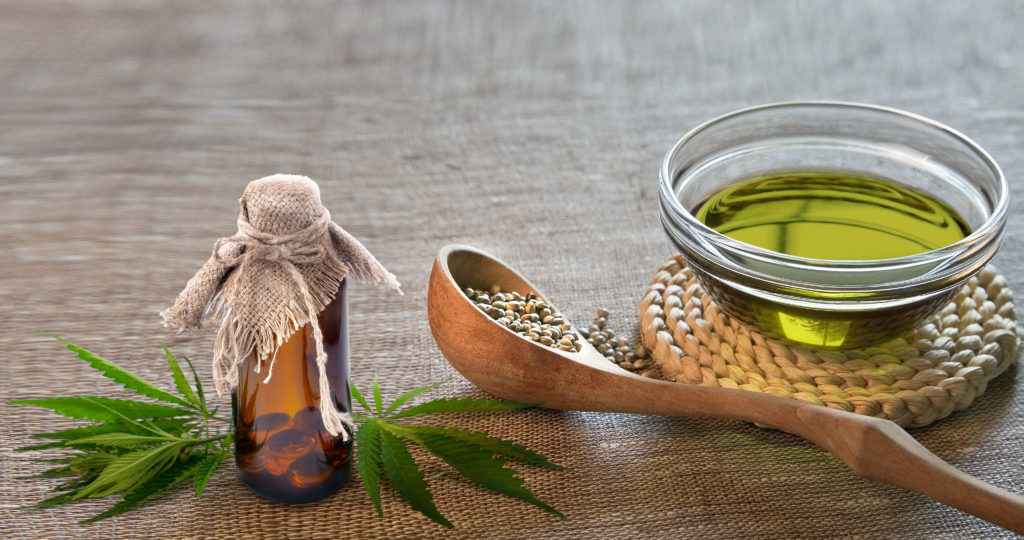
CBD, or cannabidiol, is one of the many cannabinoids found in hemp plants. Unlike THC, the psychoactive compound in cannabis, CBD does not produce a “high.” Instead, it interacts with the body’s endocannabinoid system (ECS), which regulates various functions, including mood, sleep, pain, and inflammation. CBD oil is often used for its potential to relieve anxiety, reduce inflammation, and manage pain, making it an appealing option for pregnant women dealing with these symptoms.
Common Pregnancy Symptoms CBD May Address
- Nausea and Morning Sickness: Many women experience severe nausea and vomiting, especially during the first trimester. CBD is believed to interact with serotonin receptors, which may help reduce nausea.
- Anxiety and Stress: Pregnancy can bring heightened levels of anxiety and emotional stress. CBD’s calming effects may help manage these feelings without the side effects of prescription medications.
- Pain and Discomfort: Back pain, joint discomfort, and headaches are common during pregnancy. CBD’s anti-inflammatory and analgesic properties may provide relief.
- Sleep Disturbances: Hormonal changes and physical discomfort can lead to insomnia. CBD is often used to promote relaxation and improve sleep quality.
Expert Opinions on CBD Use During Pregnancy
The use of CBD oil during pregnancy is not widely endorsed by medical professionals due to the limited research available. Most experts emphasize caution, as the effects of CBD on fetal development and maternal health have not been thoroughly studied. The American College of Obstetricians and Gynecologists (ACOG) advises against the use of cannabis and cannabis-derived products, including CBD, during pregnancy. This recommendation is primarily based on the potential risks associated with THC exposure and the lack of definitive data on CBD.
Potential Risks of Using CBD During Pregnancy
- Limited Research: There is a significant lack of clinical studies on the safety of CBD use during pregnancy. Most existing research focuses on cannabis use, which includes THC, making it difficult to isolate the effects of CBD alone.
- Placental Barrier: Studies suggest that cannabinoids can cross the placental barrier, potentially exposing the fetus to these compounds. The implications of CBD crossing this barrier remain unclear.
- Product Quality and Contamination: Not all CBD products are created equal. Some may contain THC, heavy metals, pesticides, or other contaminants that could harm the developing fetus.
- Unknown Long-Term Effects: The long-term impact of prenatal CBD exposure on a child’s development is not well understood, raising concerns about potential risks.
Potential Benefits of CBD Use During Pregnancy
While caution is warranted, some anecdotal evidence suggests that CBD may provide relief from specific pregnancy-related symptoms. Women who have used CBD during pregnancy often report reduced nausea, improved sleep, and less anxiety. However, these testimonials are not supported by robust scientific research, and personal experiences may vary.
Guidelines for Pregnant Women Considering CBD
- Consult Your Healthcare Provider: Always discuss the use of CBD with your obstetrician or midwife. They can provide personalized advice based on your medical history and pregnancy status.
- Choose High-Quality Products: If you decide to use CBD, select products from reputable brands that provide third-party lab testing to ensure purity and potency. Avoid products that contain THC or harmful additives.
- Start with a Low Dose: Begin with the lowest effective dose and monitor how your body responds. Gradually adjust the dosage if necessary.
- Avoid Inhalation Methods: Smoking or vaping CBD is not recommended during pregnancy due to potential respiratory risks and exposure to harmful byproducts.
- Use Topical CBD for Localized Relief: If you’re seeking relief from muscle pain or joint discomfort, consider using CBD creams or balms, which are applied externally and do not enter the bloodstream.
Alternatives to CBD During Pregnancy
If you are hesitant to use CBD or your healthcare provider advises against it, consider these natural alternatives for managing pregnancy symptoms:
- Ginger and Peppermint: These natural remedies can help alleviate nausea and digestive discomfort.
- Prenatal Yoga and Meditation: These practices can reduce stress, improve sleep, and promote overall well-being.
- Massage Therapy: Prenatal massages can relieve muscle tension and improve circulation.
- Warm Baths and Heat Pads: These can help ease back pain and muscle soreness.
- Healthy Diet and Hydration: Eating balanced meals and staying hydrated can support overall health and reduce fatigue.
What the Future Holds for CBD Research
As interest in CBD continues to grow, more research is needed to understand its safety and efficacy during pregnancy. Future studies should focus on how CBD interacts with the developing fetus, its impact on maternal health, and its potential to address specific pregnancy-related conditions. Regulatory agencies may also establish clearer guidelines for the use of CBD products in this context.
Read Also : 5 Benefits of CBD Balm for Joint Pain
Conclusion
The safety of CBD oil during pregnancy remains uncertain due to limited research and potential risks. While some women find relief from pregnancy symptoms through CBD use, it’s essential to approach this option with caution and seek guidance from a healthcare provider. Understanding the potential benefits and risks, choosing high-quality products, and considering alternative remedies can help ensure a safe and healthy pregnancy. As scientific knowledge about CBD expands, future guidelines may provide clearer recommendations for its use during pregnancy. Until then, prioritizing informed decision-making and open communication with your healthcare team is crucial for the well-being of both mother and baby.