
The world of CBD oil can feel overwhelming, especially for those new to its potential benefits. With so many products and delivery methods available, choosing the right one can be tricky. Two main categories dominate the market: Topical CBD and Ingestible CBD. But which one is right for you?
This blog aims to shed light on this topic, helping you navigate the differences between Topical and Ingestible CBD. We’ll answer key questions to empower you to make informed decisions based on your specific needs.
Understanding Your Needs
The first step is to identify what you’re hoping to achieve with CBD. Here are some common reasons people explore CBD:
- Pain Relief: CBD may offer relief from chronic pain, muscle soreness, and inflammation.
- Stress and Anxiety Reduction: CBD’s calming properties can help manage stress and anxiety symptoms.
- Improved Sleep: Many people find CBD helps them relax and achieve better sleep quality.
- Skin Health: Topical CBD may soothe irritated skin and promote overall skin health.
Once you know your target goal, consider the affected area. Is it a localized issue like sore muscles, or a more widespread concern like general anxiety? This will influence your choice between Topical and Ingestible CBD.
Read- Unraveling the Mysteries: How Does CBD Interact with the Endocannabinoid System?
Delivery Methods Explained
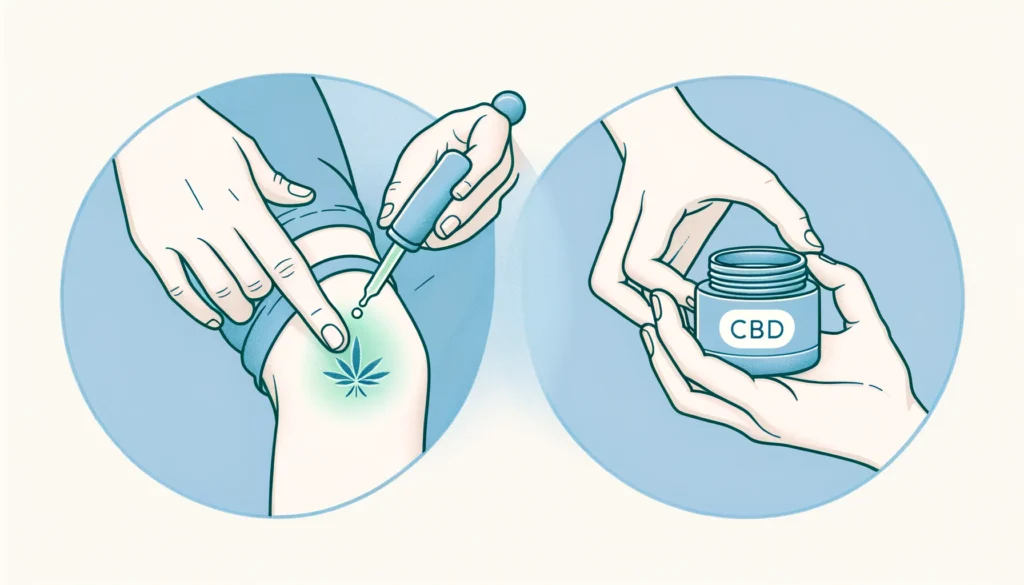
Now, let’s delve into the delivery methods themselves.
- Topical CBD: This method involves applying CBD creams, lotions, salves, or patches directly to the skin. The CBD interacts with cannabinoid receptors located near the application site, providing localized relief.
- Ingestible CBD: This method involves consuming CBD oil, capsules, gummies, or edibles. The CBD is absorbed through the digestive system and enters the bloodstream, interacting with cannabinoid receptors throughout the body for systemic effects.
Benefits and Drawbacks of Each Method
Topical CBD:
- Pros:
- Targeted Relief: Focuses on the application area, ideal for muscle aches and joint pain.
- Fast-Acting: Effects are often felt within minutes as it bypasses the digestive system.
- Avoids Digestive System: This may be preferable for those with digestion issues.
- Cons:
- Limited Reach: Effects are localized to the application area.
- May Not Be Effective for Widespread Issues: Limited for conditions like anxiety that require systemic effects.
Ingestible CBD:
- Pros:
- Systemic Effects: Delivers CBD throughout the body, potentially offering relief for various conditions.
- Potentially Longer-Lasting Relief: Effects may last several hours.
- Wider Range of Applications: Suitable for addressing various concerns.
- Cons:
- Slower Onset Time: CBD needs to be metabolized by the digestive system before taking effect, usually 30-60 minutes.
- May Not Target Specific Areas: Effects are felt throughout the body, not concentrated in a specific area.
Choosing the Right Product
Topical CBD:
When choosing Topical CBD, consider the form that best suits your needs:
- Creams and Lotions: Ideal for larger areas like sore backs or achy legs.
- Salves: Offer a more concentrated formula for targeted pain relief.
- Patches: Convenient for continuous, localized relief.
Potency is another crucial factor. Look for the concentration of CBD (milligrams per milliliter or mg/mL) and choose a product that aligns with your needs.
Ingestible CBD:
Ingestible CBD comes in various forms, each with its own advantages:
- Oils: Offer precise dosing through a dropper.
- Capsules: Provide a convenient, pre-measured dose.
- Gummies and Edibles: Discreet and enjoyable option, but dosing can be less precise.
Similar to Topical CBD, consider the potency (mg per serving) and choose a product that aligns with your desired effect.
Additional Considerations
Now that you understand the core differences between Topical and Ingestible CBD, let’s explore some additional factors to consider:
- Side Effects:
- Topical CBD: Generally well-tolerated, but some may experience skin irritation. Perform a patch test on a small area before applying it liberally.
- Ingestible CBD: Potential side effects include drowsiness, diarrhea, or drug interactions. Consult a healthcare professional before use, especially if taking medications or pregnant/breastfeeding.
- Combining Methods:
Can you use both Topical and Ingestible CBD together? Absolutely! In fact, this combination can be beneficial for addressing various concerns simultaneously. For example, you could use Topical CBD for targeted pain relief while using Ingestible CBD for overall stress reduction.
Legality in Canada
In Canada, CBD derived from hemp (with a THC content below 0.3%) is legal for purchase and consumption by adults 18 and over. However, regulations are subject to change, so staying updated on current laws is essential.
Consulting a Healthcare Professional
Before starting any new supplement, including CBD, consulting a healthcare professional is always recommended. They can discuss potential interactions with medications you’re already taking and ensure CBD is suitable for your individual needs.
Starting Low and Gradually Increasing
When starting with CBD, it’s wise to begin with a low dose and gradually increase as needed. This allows your body to adjust and helps you find the optimal dosage for your desired effect.
Finding Reputable Brands
With the growing popularity of CBD, it’s crucial to choose reputable brands. Look for companies that offer third-party lab reports verifying the CBD content and purity of their products.
Additional Tips
Here are some additional tips for using CBD effectively:
- Be patient: It may take some time to experience the full benefits of CBD. Consistency is key.
- Track your progress: Keep a journal to track your dosage, how you feel, and any noticeable changes.
- Store CBD properly: Store your CBD products in a cool, dark place to maintain their potency.
By following these tips and the information provided in this blog, you’ll be well-equipped to navigate the world of Topical vs. Ingestible CBD and choose the method that best suits your needs.
In Conclusion
Choosing between Topical and Ingestible CBD depends on your individual needs and preferences. Consider the following factors to make an informed decision:
- Target Area: For localized pain relief, Topical CBD is ideal. For more widespread concerns, Ingestible CBD is preferred.
- Desired Onset Time: Topical CBD offers faster-acting relief, while Ingestible CBD takes longer to take effect.
- Dosage Precision: Oils and capsules offer more precise dosing with Ingestible CBD, while Topical CBD application can be less exact.
- Personal Preference: Consider factors like taste, convenience, and discretion when choosing between application methods.
Remember
- Consult a healthcare professional before starting CBD, especially if taking medications or pregnant/breastfeeding.
- Start with a low dose and gradually increase as needed.
- Choose reputable brands that offer third-party lab reports.
- Be patient, track your progress, and store CBD products properly.
We hope this comprehensive guide empowers you to explore the world of CBD with confidence. By understanding the differences between Topical and Ingestible CBD, you can choose the right method to unlock its potential benefits and achieve your wellness goals.