
CBD oil has become a popular natural remedy, known for its potential benefits in treating various ailments. However, as demand for CBD products increases in Canada, so does the environmental impact of its production. Understanding these impacts is crucial for consumers, producers, and policymakers to ensure that the CBD industry grows sustainably. This blog post delves into the environmental implications of CBD oil production in Canada, exploring key areas such as cultivation, extraction, transportation, and waste management.
The Growing Demand for CBD Oil in Canada
The demand for CBD oil in Canada has surged since the legalization of cannabis in 2018. Consumers are increasingly turning to CBD oil for its potential health benefits, including pain relief, anxiety reduction, and improved sleep. As the market expands, so does the need for large-scale cultivation and production, which brings about significant environmental challenges.
The Scale of Cultivation
The cultivation of cannabis plants for CBD extraction requires vast amounts of land, water, and energy. In Canada, this often means converting natural landscapes into agricultural land, which can lead to deforestation, habitat loss, and a decrease in biodiversity. Moreover, the intensive nature of cannabis farming can strain local water resources and contribute to soil degradation.
Environmental Impact of Cannabis Cultivation
The cultivation of cannabis plants, whether for CBD or other purposes, has notable environmental consequences. While cannabis can be grown both indoors and outdoors, each method has its own set of environmental challenges.
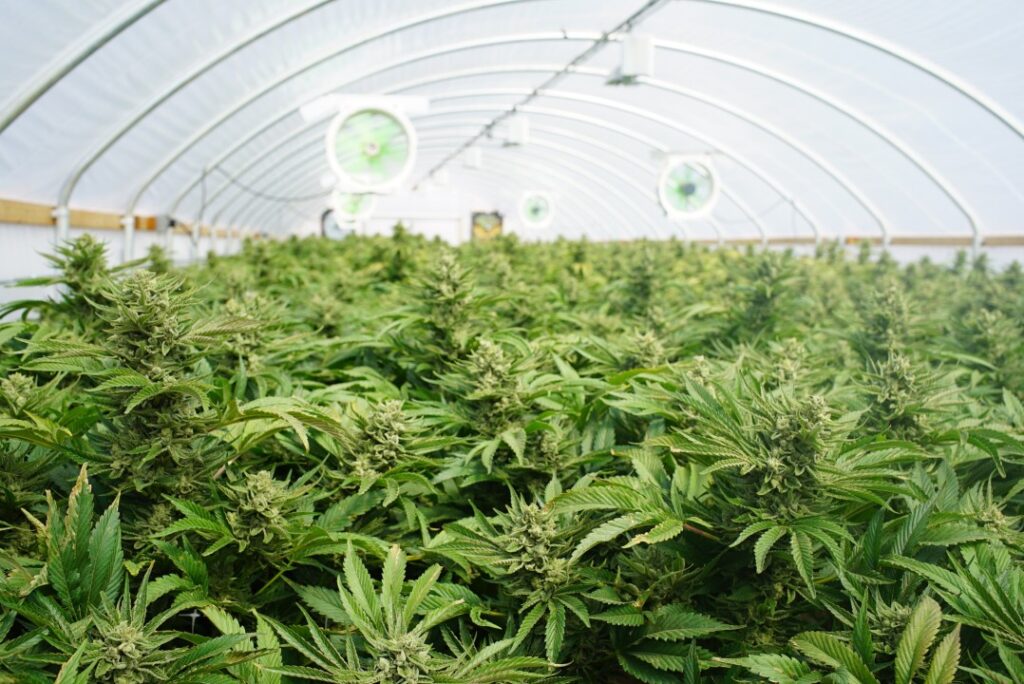
Outdoor Cultivation
Outdoor cannabis cultivation may seem more natural, but it has its own environmental drawbacks. It requires significant amounts of water, which can be problematic in regions already facing water scarcity. Additionally, outdoor farming often involves the use of pesticides and fertilizers, which can lead to soil and water pollution. In Canada, where outdoor cannabis farming is common, the impact on local ecosystems can be considerable.
Indoor Cultivation
Indoor cultivation, while offering greater control over the growing environment, is energy-intensive. The need for artificial lighting, temperature control, and ventilation systems results in high electricity consumption, contributing to greenhouse gas emissions. In Canada, where indoor growing is common due to the harsh climate, the carbon footprint of cannabis production can be substantial.
The Extraction Process and Its Environmental Footprint
Once the cannabis plants are harvested, the next step in CBD oil production is extraction. This process separates the CBD from the plant material, and it can have a significant environmental impact depending on the method used.
CO2 Extraction
CO2 extraction is one of the most popular methods for producing high-quality CBD oil. While it is considered more environmentally friendly than other methods, it still requires a significant amount of energy to maintain the high-pressure conditions necessary for the process. However, CO2 extraction has the advantage of producing little waste and avoiding the use of harmful chemicals.
Solvent Extraction
Solvent extraction, which uses chemicals like butane or ethanol to extract CBD, is another common method. Although this method can be efficient, it poses environmental risks due to the potential release of toxic solvents into the environment. Additionally, the disposal of solvent-contaminated waste is a significant concern, as improper handling can lead to soil and water contamination.
Transportation and Distribution Challenges
The environmental impact of CBD oil production doesn’t end with extraction. Transportation and distribution also contribute to the overall carbon footprint, especially in a country as vast as Canada.
Long-Distance Transportation
CBD oil produced in remote areas often needs to be transported long distances to reach markets across Canada. This reliance on long-distance transportation increases greenhouse gas emissions, particularly if road or air transport is used. As the demand for CBD oil grows, so too does the environmental cost of transporting these products across the country.
Packaging and Waste
Packaging is another critical factor in the environmental impact of CBD oil production. Many CBD products are packaged in plastic or other non-biodegradable materials, contributing to the growing problem of plastic waste. Moreover, the packaging process itself often involves the use of energy-intensive machinery, further adding to the carbon footprint.
Sustainable Practices in CBD Oil Production
Despite the environmental challenges associated with CBD oil production, there are ways to mitigate these impacts. By adopting sustainable practices, producers can reduce their environmental footprint while still meeting consumer demand.
Organic Farming
Organic farming practices, which avoid the use of synthetic pesticides and fertilizers, can help reduce soil and water pollution. Organic farming also tends to promote biodiversity and soil health, making it a more sustainable option for cannabis cultivation. In Canada, a growing number of CBD producers are turning to organic methods to meet the demand for eco-friendly products.
Energy Efficiency in Indoor Cultivation
Producers can reduce the carbon footprint of indoor cultivation by adopting energy-efficient technologies. This includes using LED lighting, which consumes less electricity than traditional lighting, and implementing advanced climate control systems that optimize energy use. Additionally, some producers are exploring the use of renewable energy sources, such as solar or wind power, to further reduce their reliance on fossil fuels.
Eco-Friendly Extraction Methods
To minimize the environmental impact of the extraction process, producers can opt for more sustainable methods, such as CO2 extraction, which produces less waste and avoids the use of harmful chemicals. Additionally, advancements in technology are leading to the development of even more efficient and eco-friendly extraction techniques, which could further reduce the environmental footprint of CBD oil production.
The Role of Consumers in Promoting Sustainability
Consumers also have a crucial role to play in promoting sustainable CBD oil production. By choosing products from companies that prioritize environmental responsibility, consumers can help drive the market towards more sustainable practices.
Supporting Eco-Friendly Brands
When purchasing CBD oil, consumers should look for brands that are transparent about their environmental practices. This includes choosing products that are certified organic, use eco-friendly packaging, and are produced using sustainable extraction methods. In Canada, there is an increasing number of CBD brands that emphasize sustainability, making it easier for consumers to make environmentally conscious choices.
Reducing Waste
Consumers can also reduce their environmental impact by minimizing waste. This can be achieved by opting for products with minimal packaging, recycling packaging materials, and supporting companies that offer refillable or reusable packaging options.
Conclusion: A Path Towards Sustainable CBD Oil Production in Canada
The environmental impact of CBD oil production in Canada is a complex issue, influenced by factors ranging from cultivation practices to transportation and packaging. However, by adopting sustainable practices and making informed choices, both producers and consumers can help mitigate these impacts. As the CBD industry continues to grow, it is essential that sustainability remains at the forefront of its development. By working together, we can ensure that CBD oil production in Canada is not only beneficial for health but also for the environment.